
Last updated on November 11, 2026 by Emma Collins
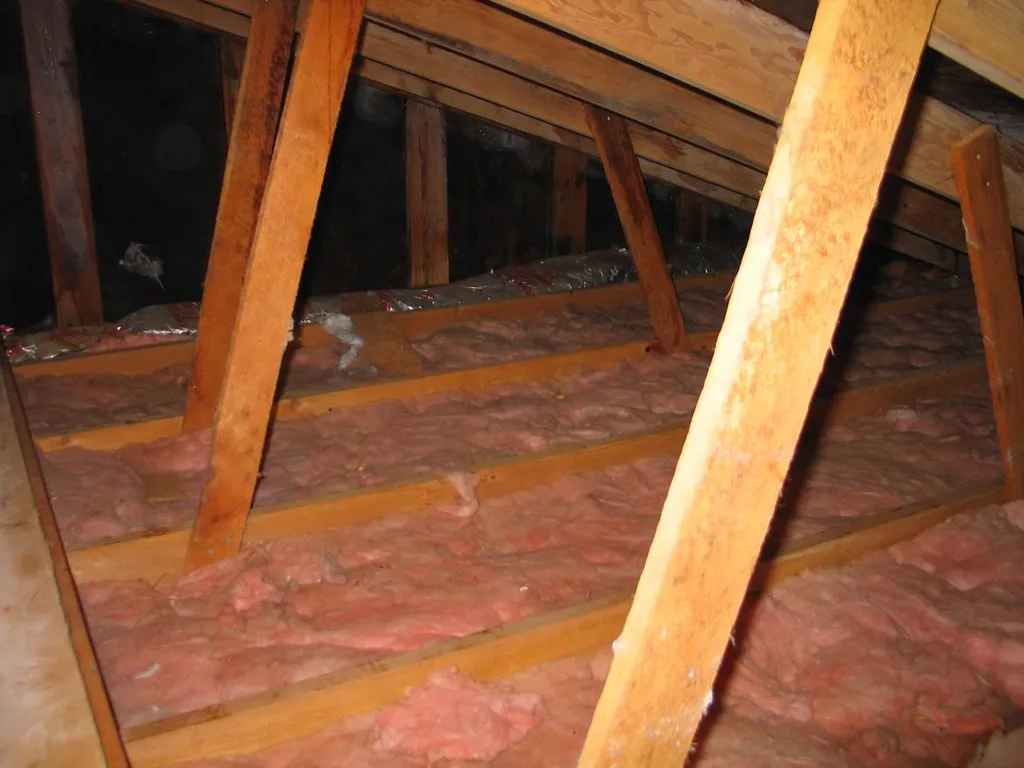
A bare loft is the cheapest place to start cutting heating bills. Around a quarter of the heat in an uninsulated home escapes through the roof, and insulating an empty loft to the recommended 270mm typically costs £650 to £1,200 depending on the house. A semi-detached home can save around £190 a year from that one job. If your boiler is also getting old, our guide to new boiler costs will help you plan the two jobs together.
Table of Contents
Loft Insulation Cost UK: 2026 Prices by House Type
For most UK homes, professional loft insulation costs between £650 and £1,200, depending on the size of the house. According to the Energy Saving Trust, insulating an empty loft to the recommended 270mm depth costs around £650 for a mid-terrace house, around £750 for a semi-detached house, and around £1,100 for a detached house. A detached bungalow, with its larger roof area, costs around £1,200. Two sources publish house-type prices, and they agree closely. Here they are side by side:
| House type | Energy Saving Trust | Checkatrade (270mm quilt) |
|---|---|---|
| Mid-terrace house | £650 | £654 |
| Semi-detached house | £750 | £825 |
| Detached house | £1,100 | £1,206 |
| Detached bungalow | £1,200 | £1,206 |
Checkatrade’s figures are a little higher because they are priced as a full 270mm quilt installation job, while the Energy Saving Trust figures are average installed costs at July 2026 fuel prices. The gap is biggest on a semi-detached house — £750 against £825 — and smallest on a terrace, where the two are £4 apart. Either way, budget roughly £650 to £1,200 for a professional job on an empty loft. If your loft already has some insulation, topping it up from 120mm to 270mm costs around £600 for a typical home. The saving is smaller than many people expect, because the labour and access work cost roughly the same either way. See the Checkatrade loft insulation cost guide for the full breakdown by material and house type.
What Affects the Price of Loft Insulation?
The size of your loft is the biggest factor, because most installers price by the square metre or by the house type. A small terrace loft takes a few hours, while a large detached roof can take a full day or more. Access matters too. A loft with a proper hatch and room to move is quick to insulate, while a cramped loft takes longer and costs more. The condition of the loft also changes the price, as damp or damaged old insulation may need removing first. The material you choose matters as well, with standard mineral wool the cheapest and rigid boards or spray foam costing considerably more. Prices also vary by region, with London and the South East usually costing more than the North and Midlands.
Types of Loft Insulation and What They Cost
Mineral wool quilt is the most common choice for UK lofts, and the cheapest. It comes in rolls that fit between and across the joists, and the materials cost around £10 per square metre. The main alternatives are:
- Loose-fill insulation — around £12 per square metre. Good for topping up and awkward spaces.
- Rigid sheet insulation (PIR boards) — around £35 per square metre. Slimmer for the same performance, so it suits loft conversions.
- Spray foam insulation — around £37 per square metre. It seals gaps well, but it needs a specialist installer and can cause problems with mortgage lenders.
- Natural fibre insulation — made from sheep’s wool or wood fibre. It costs more but suits older, breathable buildings.
For most homes, mineral wool at 270mm deep is the right choice: the Energy Saving Trust recommends that minimum depth, usually laid in two layers.
DIY or Professional Loft Insulation?
Doing it yourself is possible and much cheaper on paper. The materials for a standard loft cost roughly £200 to £400, and the job takes a keen DIYer a day or so. You will need protective clothing, gloves, a mask and goggles, and boards to kneel on, since you must never stand on the ceiling plasterboard below. The risks are real. Squashing the insulation reduces how well it works, and blocking the eaves stops air flowing through the roof, which can cause condensation. Our guide to stopping condensation on windows covers the same moisture problem in the rooms below, and damp walls explains what to do if patches appear. A professional job costs more, usually £650 to £1,200, but it includes proper ventilation gaps, insulation for pipes and tanks, and a draught-proofed loft hatch. For most homeowners, a professional is worth it. A well-insulated loft also pairs nicely with other ways to keep your house warm without central heating.
Savings, Grants and Getting a Fair Quote
Loft insulation pays for itself over time, but how quickly depends on what you are starting from. The Energy Saving Trust estimates the yearly saving for a gas-heated home in Great Britain, at July 2026 fuel prices:
| House type | Empty loft to 270mm: saving per year | 120mm to 270mm: saving per year |
|---|---|---|
| Detached house | £360 | £35 |
| Semi-detached house | £190 | £17 |
| Mid-terrace house | £140 | £13 |
| Detached bungalow | £350 | £35 |
An empty loft is the big win. Insulating one in a gas-heated semi-detached house saves around £190 a year, so the work can pay for itself in around four years, and the insulation should last around 40 years. Topping up is different. Going from 120mm to 270mm saves only around £17 a year on a semi, so at around £600 it takes decades to pay for itself. It still makes the house warmer — treat it as a comfort job, not a money-saver. Check whether you qualify for help first. The government’s ECO4 scheme can cover loft insulation for some households on lower incomes or certain benefits. It ends on 31 December 2026, and suppliers set their own cut-off dates, so they may stop taking applications earlier once they hit their targets. There is no ECO5 coming after it; the replacement Warm Homes Plan is not due to start until 2027 at the earliest. Ask about grant help before you book, not after. Installing insulation is also zero-rated for VAT until the end of March 2027, which is already reflected in most quotes. When you get quotes, ask for two or three, and check each one states the material, the finished depth, and what is included.
Frequently Asked Questions
How deep should loft insulation be?
For mineral wool, the Energy Saving Trust recommends a minimum depth of 270mm, usually laid in two layers: one between the ceiling joists and a second across the top. Other materials need different depths.
Can I board over loft insulation for storage?
Yes, but only with a raised system. Standard boards screwed onto the joists squash mineral wool, which reduces how well it works. Use raised loft legs and leave the eaves clear.
Does loft insulation cause condensation?
It can do if the ventilation is blocked. Insulation makes the loft colder, so moist air can condense on the roof timbers. Installers must leave gaps at the eaves and keep vents clear.
How long does loft insulation last?
Mineral wool should last around 40 years if it stays dry and undisturbed. Check it every few years when you are up in the loft, and top it up if it has settled or thinned.
Conclusion
Budget £650 to £1,200 for a professional job on an empty loft, or around £600 to top up what is already there. An empty loft is the one that pays: a semi-detached house saves around £190 a year, so the work can pay for itself in about four years. A top-up saves only around £17 a year on a semi, so do it for warmth, not payback. Check ECO4 help first if you are on a lower income, get two or three written quotes that state the material and the finished depth, and book before the scheme’s supplier cut-offs close.

Emma Collins is the editor of The Homely Way, a UK home and lifestyle magazine. She writes practical, plain-English guides on home improvement, cleaning, heating and saving money around the home — always with UK prices, UK products and real-world costs, and no jargon. When she is not writing, she is planning the next guide.
Pingback: How Much Does a New Boiler Cost UK 2026? Prices Explained