Last updated on November 11, 2026 by Emma Collins
How much do heat pumps cost? For grants paid in July to September 2026, the official median price for an air-source heat pump in England and Wales was £12,826, fitted and including VAT. Take off the £7,500 Boiler Upgrade Scheme grant and the median household paid about £5,326. Ground-source systems cost far more. Scotland has its own grant and loan, and Northern Ireland has no general grant yet.
How much does an air-source heat pump cost in 2026?
The most reliable numbers come from the government’s own Boiler Upgrade Scheme statistics, built from the MCS certificates installers lodge for every grant-funded job. For air-to-water (air-source) heat pumps with grants paid in July to September 2026:
- Median installed cost: £12,826
- Middle half of jobs: £10,717 to £15,461
- Median size: 8 kW
- Sample: 9,383 installations, so the figure is solid
Those prices include the equipment, labour and VAT, and they are meant to be the whole-job price before the grant comes off. The highest and lowest 10% of reported costs are stripped out. The Energy Saving Trust puts a typical installation at “around £12,000”, which sits comfortably alongside the official data.
Your own quote can still land outside that range: bigger homes need bigger units, and older homes may need more radiator work.
| Type | Median | Lower–upper quartile | Median size | After £7,500 grant | After £9,000 grant |
|---|---|---|---|---|---|
| Air-source (air-to-water) | £12,826 | £10,717–£15,461 | 8 kW | £5,326 | £3,826 |
| Ground-source | £34,630 | £22,348–£53,345 | 15 kW | £27,130 | £25,630 |
Source: DESNZ, Boiler Upgrade Scheme statistics, grants paid July–September 2026, England and Wales. The ground-source figures come from only 54 jobs.
How much does a ground-source heat pump cost?
Ground-source heat pumps draw heat from pipes buried in a trench or borehole, so the groundwork drives the price. The official median for the same quarter was £34,630, for a median 15 kW system.
Treat that number with care. It is based on only 54 jobs, and the previous quarter’s median (April to June 2026) was £27,232, on smaller 10.5 kW systems. Ground-source suits larger homes with land, and every quote will be bespoke.
What you pay after the grant, by nation
The Boiler Upgrade Scheme gives £7,500 off an air-source or ground-source heat pump in England and Wales. Until March 2027 there is an extra £1,500, making £9,000, if your home is heated by oil or LPG and has no mains gas connection. The grant comes off your bill upfront.
| Nation | Main support | Typical amount | Who applies | Start work only when |
|---|---|---|---|---|
| England & Wales | Boiler Upgrade Scheme | £7,500, or £9,000 for off-gas oil or LPG homes until March 2027 | Your MCS installer | The installer’s application is in; it must be commissioned within 120 days |
| Scotland | Home Energy Scotland Grant and Loan | Up to £7,500 grant plus an optional £7,500 interest-free loan; grant up to £9,000 for eligible rural homes | You, after speaking to Home Energy Scotland | You have a written funding offer |
| Northern Ireland | No general grant | A Department for the Economy scheme is expected in 2027 | — | Check NI Energy Advice for any targeted help |
A few rules catch people out:
- England and Wales: you must own the property, use an MCS certified installer, and be replacing fossil-fuel or electric heating. Hybrid systems (a heat pump paired with a gas boiler) do not qualify, and you cannot get a grant to replace an existing low-carbon system.
- Scotland: the home must be your only or main home, and the heat pump must provide all your heating and hot water. Funding is first come, first served, and it is only reserved once the written offer arrives.
- Northern Ireland: some income-targeted schemes may still fund a heat pump when budgets allow. Ask NI Energy Advice what is open.
Emma’s tip: in Scotland, do not let an installer book a start date before the written offer lands in your inbox. Starting early can cost you the whole grant, and it cannot be claimed back afterwards.
What else can appear on the quote
The official median is a whole-job figure, so some of these items may already be inside it. Ask for each one as a separate line so you can compare quotes fairly. A grant quote must show the full price, the grant, and what you pay after it.
- Hot water cylinder. A heat pump does not give instant hot water like a combi, so if you are leaving a combi you will usually need a cylinder. The Energy Saving Trust says it typically needs a cupboard of about 80 cm × 80 cm. Checkatrade puts an unvented cylinder supplied and fitted at roughly £900 to £3,500 when priced separately, and it must be fitted by a G3-qualified installer.
- Larger radiators. Heat pumps run at lower flow temperatures, so some rooms need more radiator surface. Checkatrade gives about £200 for a replacement double-panel radiator, around £300 for a large one, and £200 to £300 labour to swap a standard radiator. Our guide on what size radiator you need explains how output is sized for each room.
- Electrics, the outdoor base, condensate drainage, removing the old boiler, commissioning and the MCS certificate. Costs vary too much for a fair typical figure, so ask for them itemised.
Emma’s tip: when two or three quotes arrive, I would copy every line into one simple table before looking at the totals. It is the quickest way to spot that one firm has included a cylinder and new radiators and another has quietly left them out.
Running costs compared with a gas boiler
This is where honest maths matters more than headlines. At the Ofgem price cap for 1 October to 31 December 2026, the average Direct Debit unit rates are 26.32p per kWh for electricity and 7.97p per kWh for gas. Electricity costs about 3.3 times as much per unit.
A heat pump makes up for that with efficiency. Its seasonal coefficient of performance (SCOP) is the heat it delivers for each unit of electricity over a year, so a SCOP of 3.0 means 3 kWh of heat from 1 kWh of electricity. Real performance depends on the design, flow temperature, radiators and how you run it. A widely cited 2024 field study of 750 homes found typical performance of about 2.9.
Here is a worked example. Ofgem’s typical household uses 9,500 kWh of gas a year. In a 90% efficient boiler, that gives about 8,550 kWh of heat.
| System | Assumption | Annual unit cost for 8,550 kWh of heat |
|---|---|---|
| Gas boiler | 90% efficient, 9,500 kWh of gas | £757 |
| Heat pump | SCOP 2.9 | £776 |
| Heat pump | SCOP 3.0 | £750 |
| Heat pump | SCOP 3.2 | £703 |
Unit rates only, at the 1 October–31 December 2026 cap. Coming off gas completely also saves the 29.68p daily gas standing charge, about £108 a year.
On the standard cap, then, a well-designed heat pump is roughly level with gas. The £108 standing charge only disappears if you also give up gas cooking and gas fires. The bigger lever is your tariff: the Energy Saving Trust says switching to a heat pump time-of-use tariff can make a heat pump cheaper to run than a gas boiler.
How a heat pump heats a home
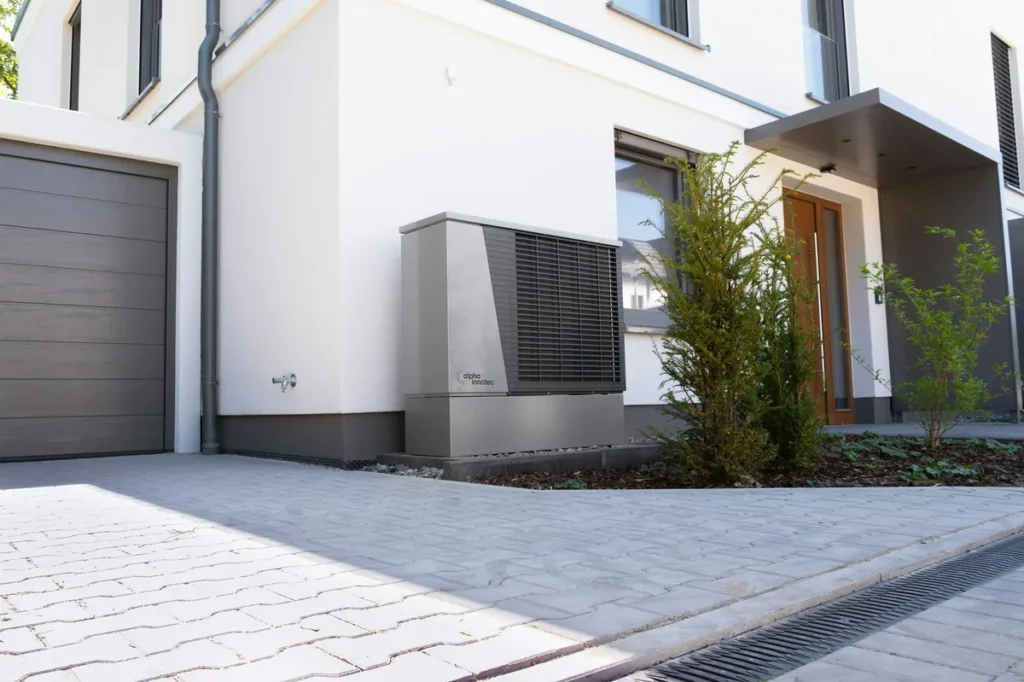
An air-source heat pump works like a fridge in reverse. It pulls warmth from outside air into a refrigerant, compresses it to raise the temperature, and passes that heat into your radiators and hot water cylinder. A ground-source pump does the same with warmth from buried pipes.
Because it heats water more gently than a boiler, the system runs for longer at a lower temperature. That is why bigger radiators and a well-designed system matter so much. Like a boiler, the heating side is usually a sealed system with a pressure gauge; our guide on what pressure a boiler should be explains how those gauges work, though your installer’s handover notes have the final say on your system’s range.
Planning permission in 2026
In England, a home air-source heat pump is often permitted development, so no planning application is needed, as long as it meets all the Planning Portal conditions. Changes from 29 May 2025 made this easier:
- The old rule keeping units 1 metre from your boundary has gone.
- The outdoor unit can be up to 1.5 cubic metres on a house.
- Detached houses can have two units; other houses can have one.
- The installation must comply with MCS 020a, the noise standard, which became the only permitted scheme from 28 May 2026.
You will still need permission for a unit on a pitched roof or at a listed building. Conservation areas have extra limits on walls facing a road. Ground-source systems are also often permitted development, but check with the council first. Scotland, Wales and Northern Ireland set their own rules, so ask your local planning authority there.
VAT on heat pump installation
Heat pumps supplied and installed in a home are charged at 0% VAT until 31 March 2027, under HMRC’s VAT Notice 708/6. From 1 April 2027 the rate goes up to 5%. If you buy the equipment without installation, it is charged at the standard 20%.
Is a heat pump right for your home?
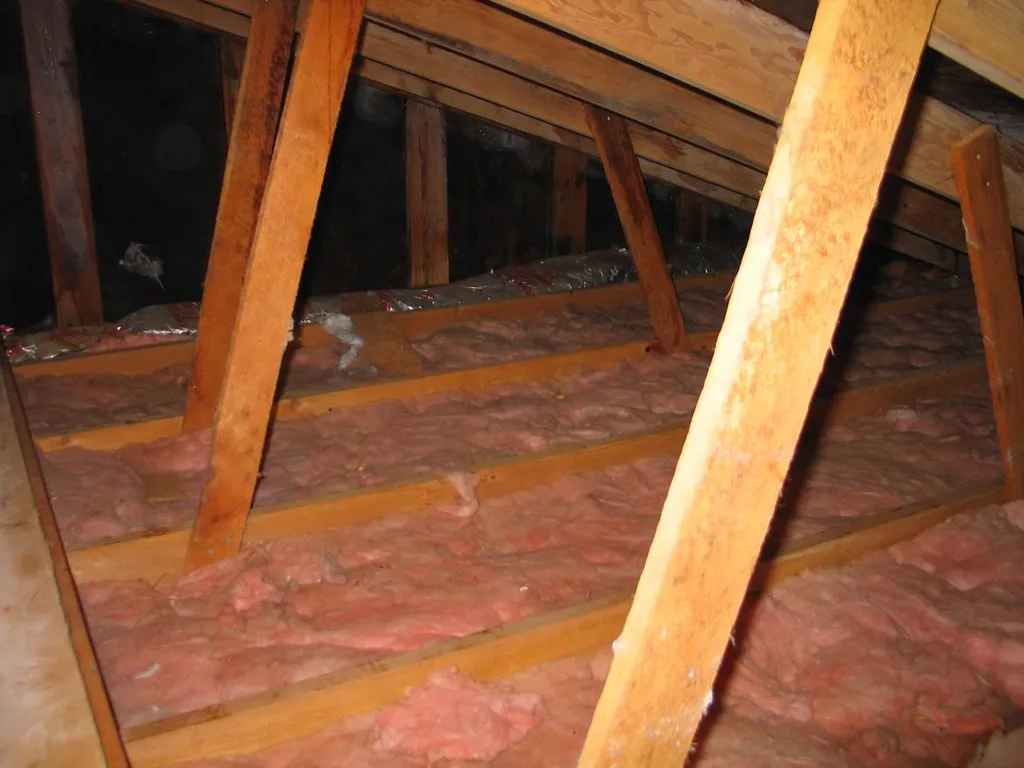
Most homes can take one, but it pays to get the basics right first. Insulation reduces the size of heat pump you need and keeps running costs down, so it is worth looking at loft insulation costs before or alongside your quotes. An MCS certified installer should carry out a room-by-room heat-loss survey; a quote based on a quick glance at your old boiler is a warning sign.
Emma’s tip: before the surveyor visits, jot down which rooms always feel chilly and where you could fit a cylinder cupboard. Then you can check the design covers the rooms you actually worry about.
Frequently asked questions
How much does a heat pump cost after the grant?
For grants paid in July to September 2026, the median air-source job in England and Wales cost £12,826, so about £5,326 after the £7,500 Boiler Upgrade Scheme grant, or £3,826 after the £9,000 grant for off-gas oil or LPG homes.
Are heat pumps cheaper to run than a gas boiler in 2026?
At the October to December 2026 price cap, a heat pump with a SCOP of about 3.0 costs roughly the same on unit rates as a 90% efficient gas boiler. A heat pump time-of-use tariff, or dropping the gas standing charge, can tip it in the heat pump’s favour.
Do I need planning permission for an air-source heat pump?
In England it is often permitted development if every condition is met, including the MCS 020a noise standard and the 1.5 cubic metre size limit for houses. Listed buildings, pitched roofs and some conservation-area sites need permission. The other nations have their own rules.
Can I get a heat pump grant in Scotland or Northern Ireland?
Scotland has the Home Energy Scotland Grant and Loan: up to £7,500 grant plus an optional £7,500 interest-free loan, with a higher grant for eligible rural homes. Northern Ireland has no general grant yet; a scheme is expected in 2027, and NI Energy Advice can tell you about any targeted help.
Do I need to replace my radiators for a heat pump?
Not always. Heat pumps run at lower flow temperatures, so some rooms may need larger radiators to stay warm. The installer’s heat-loss survey should show which ones, and the cost is often already in the quote.
How long does a heat pump last?
Home Energy Scotland says a well-maintained heat pump should last 20 years or longer.
Your next steps
Start by checking which grant you can get in your nation, then ask two or three MCS certified installers for a survey and itemised quote. Compare them line by line, and run the running-cost sums on your own tariff rather than a national average. If you are still weighing up a like-for-like replacement, our guide to new boiler costs gives you the other side of the comparison.

Emma Collins is the editor of The Homely Way, a UK home and lifestyle magazine. She writes practical, plain-English guides on home improvement, cleaning, heating and saving money around the home — always with UK prices, UK products and real-world costs, and no jargon. When she is not writing, she is planning the next guide.