Last updated on November 11, 2026 by Emma Collins
A cold house in January is miserable, and a broken boiler makes it worse. You cannot heat the whole place without central heating — but you can keep one room comfortable, stop the heat escaping, and stay warm overnight without spending much. Start with the cheapest fixes first, then add a heater only where it earns its keep. If the boiler has packed up for good, our guide to new boiler costs in the UK explains what a replacement costs.
Table of Contents
Start by Stopping the Heat Escaping
The cheapest warmth is the heat you stop losing. Draughts around doors, windows, letterboxes and floorboards let cold air in and warm air out, and sealing them is one of the best value jobs in any home. The Energy Saving Trust puts the saving from draught-proofing windows and doors at around £55 a year. A DIY job with foam strips, a letterbox brush and a door draught excluder can cost under £30. Start with the doors. A sausage-shaped draught excluder at the bottom of an external door makes an immediate difference, and brush strips seal the gap without getting in the way. An open chimney is one of the biggest sources of heat loss in an older home. A chimney balloon blocks it in minutes and can be taken out when you want a fire. Never block a chimney in use, and keep trickle vents, air bricks, extractor fans and gas appliance vents clear.
How to Keep House Warm Without Central Heating: Heat One Room Well
When you have no central heating, heating the whole house is a losing battle. The trick is to heat one room well and live in it. Choose the room you spend the most time in, usually the living room, close the doors, and focus your efforts there. The rules are simple:
- Heat one room, not the whole house
- Close doors to unheated rooms
- Use a thermostat and a timer
A portable electric heater is the most practical option for most homes. Oil-filled radiators are the best choice for steady background warmth, because they keep giving off heat after they are switched off.
Cheap Insulation Wins That Work Without a Boiler
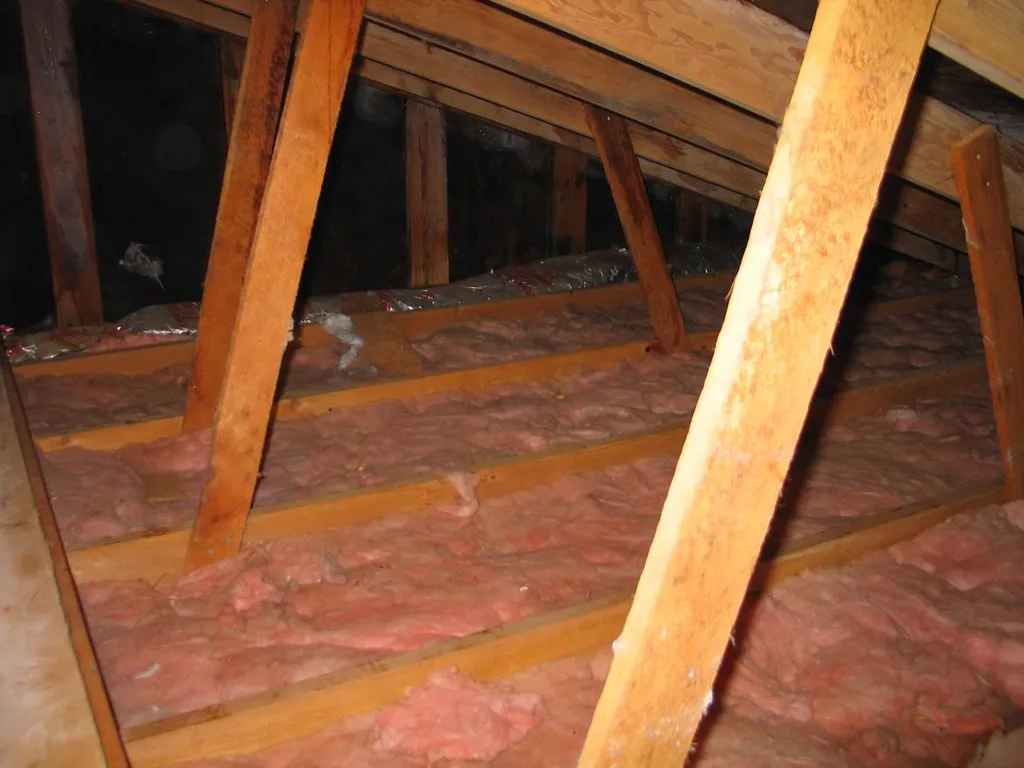
Insulation keeps the heat you do make inside the house, and several of the best fixes cost very little. Heavy curtains are one of the simplest. Close them as soon as it gets dark, and make sure they hang past the windowsill and close fully in the middle. Thermal linings add to the effect, but even ordinary thick curtains make a noticeable difference. Window film is a cheap way to add a second layer to single-glazed windows, and it also helps with condensation on windows. It is a clear plastic sheet fixed to the frame with double-sided tape and shrunk tight with a hairdryer. Radiator reflector panels are foil-faced sheets that sit behind a radiator on an outside wall, bouncing heat back into the room instead of letting the wall absorb it. Our guide to loft insulation costs explains what a proper top-up costs.
Portable Heaters: What They Really Cost to Run
Electric heaters are cheap to buy but expensive to run, so it is worth knowing the numbers before you rely on one all winter. Under the Ofgem price cap for October to December 2026, electricity costs 26.32p per kilowatt hour for a typical household on a standard tariff. A 2kW radiator costs about 53p per hour at full power, and a 1kW heater about 26p. Five hours an evening at 2kW costs around £2.63 a day, so use the thermostat and timer.
A thermostat helps: once the room is warm enough, the heater cycles on and off instead of running flat out. Heat only the room you are in, and turn the heater off when you leave the room. An electric blanket costs just a few pence an hour and keeps you warm without heating the whole room. Never leave a heater running unattended or overnight, keep it away from curtains and bedding, and plug it directly into a wall socket, never an extension lead.
Staying Warm at Night and Looking After Your Health
Bedrooms need less heat than living rooms, but they still need to be warm enough. The NHS advises keeping the rooms you use most at 18°C or above, particularly if someone in the household is older or has a health condition. Cold homes can worsen breathing problems and raise blood pressure, especially for older people, and the risk is higher if the house is also damp — our guide to damp walls explains how to tell the cause and what to do. Layer your bedding rather than relying on one thick duvet. A fitted sheet, a duvet and a blanket give you options as the night warms up or cools down. A hot water bottle is cheap, safe and surprisingly effective, and it costs almost nothing to fill. During the day, thermal layers, warm socks and a jumper indoors are the simplest way to stay comfortable.
Keeping Warm Without Central Heating FAQs
Can I keep a house warm with no heating at all?
You can keep one or two rooms comfortable, but a whole house with no heating will be cold in a British winter. Focus on the rooms you use.
What is the cheapest way to heat one room?
An oil-filled radiator with a thermostat is usually cheapest for steady warmth. An electric blanket is far cheaper still, but it warms you rather than the room.
Is it safe to use a portable heater overnight?
No. Turn it off before bed, and keep warm with bedding, a hot water bottle or an electric blanket instead.
What temperature should my home be in winter?
The NHS advises 18°C or above in the rooms you use most. Bedrooms can be a little cooler for sleeping, at 16°C to 18°C.
Does draught-proofing really save money?
Yes. The Energy Saving Trust estimates draught-proofing windows and doors saves around £55 a year, and blocking an unused chimney saves more.
Conclusion
Stop the heat escaping first, then heat one room properly and keep yourself warm rather than the whole house. Draught-proof your doors and windows, block an unused chimney, hang heavy curtains, and use a portable heater with a thermostat in the room you live in. Keep the rooms you use at 18°C or above where you can, and look after older or vulnerable people in the household. Use the time to plan a proper fix, whether that is a new boiler or better insulation.

Emma Collins is the editor of The Homely Way, a UK home and lifestyle magazine. She writes practical, plain-English guides on home improvement, cleaning, heating and saving money around the home — always with UK prices, UK products and real-world costs, and no jargon. When she is not writing, she is planning the next guide.