Last updated on November 11, 2026 by Emma Collins
A north-facing garden gets little or no direct sun, especially in winter — but that is not a problem to solve. Its soil stays moist for longer, and some of the most beautiful plants in Britain actually prefer it that way. The trick is to plant for the shade you have, not the sun you wish you had. Here is how to read your shade and which plants will thrive in it, season after season.
Table of Contents
Understanding Shade in a North-Facing Garden
Not all shade is the same, and knowing which kind you have is the first step to choosing the right plants. Open shade means bright light with no direct sun, which is what most of a north-facing garden gets. Filtered shade is light dappled through tree branches. Deep shade, found under dense trees or tight against a tall wall, gets very little light at all and is the hardest spot to plant. North-facing gardens also stay cooler and damper than south-facing ones, which suits plants that would scorch in full sun, though the soil can stay wet in winter, so drainage matters. Dig in compost before planting and mulch each spring. Watch the rain shadow too: the strip against a north-facing wall often stays dry, as the wall blocks the rain, so plants there need more watering in their first year.
Plants for North Facing Garden UK: Climbers for a Shady Wall
A bare north-facing wall is a wasted opportunity. The right climbers will cover it with flowers, scent and evergreen leaves, and they ask for very little in return. A shady garden fence is another useful vertical surface for the same plants. Climbing hydrangea is the classic choice: it clings to the wall by itself, produces creamy white lacecap flowers in June and July, and can grow very large, so give it space. It holds the RHS Award of Garden Merit, a reliable sign of a tough, garden-worthy plant. The climbing rose Rosa ‘Madame Alfred Carrière’ is another star: highly scented, with few thorns, flowering repeatedly from early summer until autumn. On a north wall its pale pink flowers are protected from bleaching in bright sun. Ivy is the ultimate evergreen climber for cold, shady walls and gives wildlife a home.
Shrubs That Love Shade
Shrubs give a north-facing garden its structure, and several of the best actually prefer shade. Camellias suit a north-facing position well, as their early flowers are protected from morning sun after frost, which is what browns the blooms. They need acid soil, so check yours before planting. Skimmia is perhaps the most dependable shrub for shade: it tolerates even quite deep shade, keeps glossy evergreen leaves all year, and produces red berries through winter. Fatsia japonica brings a tropical feel with large, bold leaves, while aucuba japonica handles shade, pollution and neglect with equal cheer. For spring scent, try Osmanthus delavayi, a neat evergreen with sweetly scented white flowers in March or April, eventually reaching 2.5 to 4 metres.
Perennials, Bulbs and Ground Cover for Shade
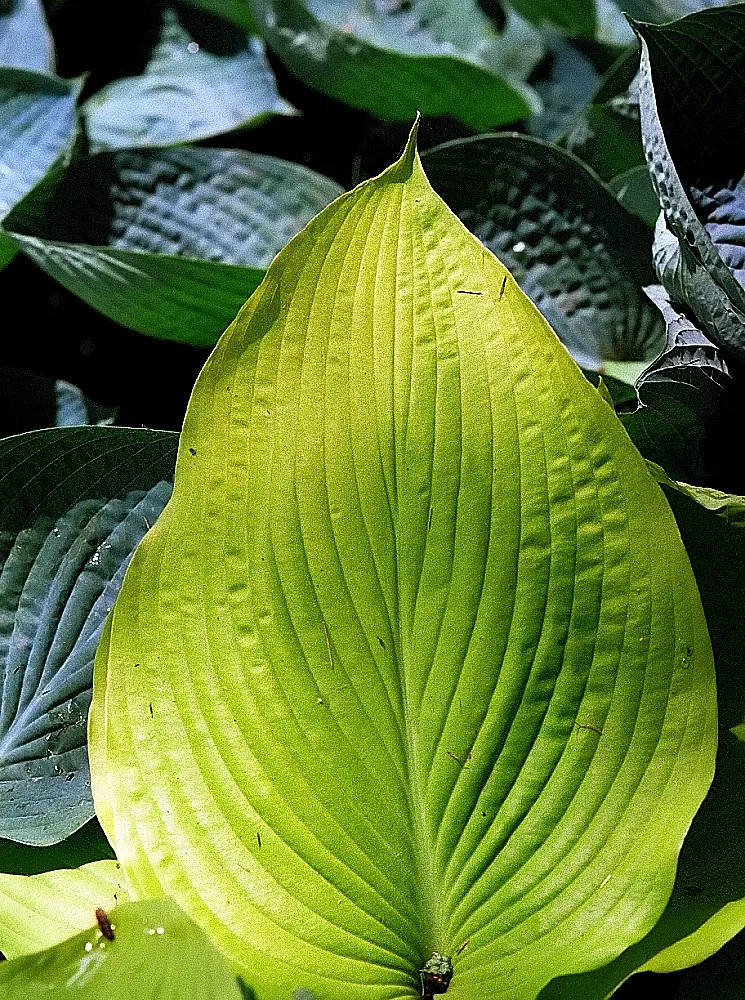
Perennials are the workhorses of a north-facing border, returning year after year with very little fuss. Hostas are the classic shade plant, grown for large, handsome leaves, and they flower in June to August, though you must watch for slugs in spring. Ferns cope with deeper shade than almost any other garden plant, while astilbes produce feathery plumes from June to August but need moist soil. Foxgloves self-seed happily in partial shade, and their tall spires are loved by bees. Spring bulbs bring early colour: snowdrops appear in January or February, daffodils cope with partial shade, and native bluebells spread into drifts. Plant bulbs in autumn, in generous groups. For ground cover that keeps weeds down, try:
- Vinca minor — the most reliable ground cover for shade, with evergreen leaves and violet-blue spring flowers.
- Epimedium — delicate spring flowers that cope with dry shade.
- Geranium macrorrhizum — tough, scented leaves and pink flowers, good under trees.
- Lamium — silver-marked leaves that light up a dark corner.
Planting and Care Tips for a Shady Garden
Good planting matters more than good luck in a north-facing garden. Dig in plenty of garden compost or well-rotted manure before you plant, and mulch every spring with compost or bark. This feeds the soil, holds in moisture and suppresses weeds. Avoid walking on wet soil, which compacts it, and never let the soil dry out completely in the first year. Water new plants well in their first summer, especially those in the dry strip by a wall or fence. Feed sparingly: a mulch of compost each spring is usually enough, as too much fertiliser produces soft growth that slugs love. Before you buy, it is worth knowing which popular plants simply will not cope with a north-facing garden, however well you look after them:
| Plant | Why it struggles here | Plant instead |
|---|---|---|
| Lavender | Needs 6 to 8 hours of direct sun; in shade it goes leggy, flowers poorly and rots in damp soil | Skimmia, for evergreen structure |
| Wisteria | Needs at least 6 hours of sun to flower; on a north wall it grows leaves but few or no flowers | Climbing hydrangea |
| Most bush roses | Need sun to flower well; in deep shade they grow leggy and flower poorly | Rosa ‘Madame Alfred Carrière’ on the wall |
Frequently Asked Questions
Can you grow vegetables in a north-facing garden?
Yes, but choose leafy crops. Lettuce, spinach, chard, kale and herbs like mint, parsley and chives cope well with partial shade. Tomatoes, peppers and courgettes need full sun, so they will struggle.
What is the easiest plant for a north-facing garden?
Hostas are hard to beat for ease and impact, as long as you watch for slugs. For a wall, climbing hydrangea is almost foolproof once established. For year-round structure, skimmia or aucuba look after themselves.
Will roses grow in a north-facing garden?
Most roses need sun, but a few cope with shade. The climbing rose Rosa ‘Madame Alfred Carrière’ is the best choice for a north-facing wall. Avoid bush roses in deep shade, as they grow leggy and flower poorly.
How do I improve the soil in a shady garden?
Dig in garden compost or well-rotted manure before planting, and mulch every spring with compost or bark. This feeds the soil, holds in moisture and suppresses weeds. Avoid walking on wet soil, which compacts it.
Conclusion
A north-facing garden is not a disadvantage once you plant for the conditions you actually have. Climbing hydrangea and a scented rose will cover the walls, camellias, skimmia and fatsia give the garden its structure, and hostas, ferns, astilbes and foxgloves fill the borders, with spring bulbs for early colour. Improve the soil, mulch each spring, and water the dry strip by the wall — and leave the lavender and wisteria for a sunny spot. If the wall itself is staining or flaking, that may be a damp problem rather than a planting one. And if the shady side of the house includes a tired drive, our guide to driveway resealing costs will help you budget that job separately. Do that, and your shady garden will look good in every season, with far less effort than a sun-baked one.

Emma Collins is the editor of The Homely Way, a UK home and lifestyle magazine. She writes practical, plain-English guides on home improvement, cleaning, heating and saving money around the home — always with UK prices, UK products and real-world costs, and no jargon. When she is not writing, she is planning the next guide.